
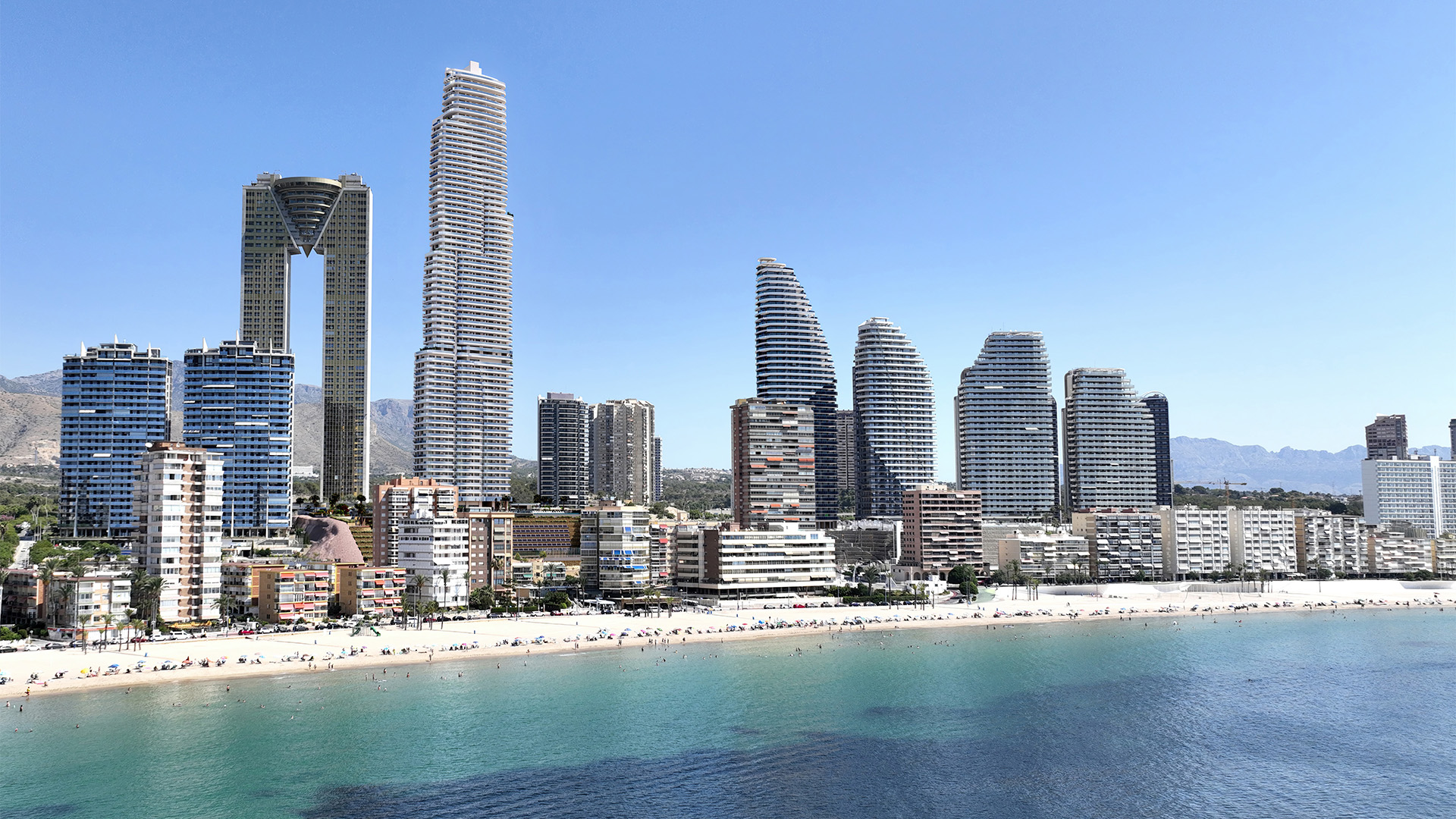
Buying a home in Spain as a US citizen is entirely possible, with few legal barriers and a wide range of properties available from coastal apartments to rural village houses. The key decisions involve choosing the right region, understanding the full cost of purchase including taxes and fees, and knowing which legal steps to complete before you can sign a contract.
Key Takeaways
| Point | Details |
|---|---|
| Foreigners can buy freely | No restrictions on US citizens purchasing any residential property type in Spain |
| NIE number is mandatory | You must obtain a Spanish tax ID before any property transaction |
| Budget 10-15% on top of purchase price | Taxes, legal fees, and admin costs add significantly to the headline figure |
| Average price varies sharply by region | Coastal and island areas cost considerably more than inland or rural locations |
| Ownership does not grant residency | A separate visa process is needed to live in Spain year-round |
| Sub-50,000 euro properties exist | They are found in inland and rural areas, not on the coast |
Table of Contents
- Can Foreigners Buy a House in Spain?
- What Is the Average Cost of a Home in Spain?
- How Do Spanish Property Prices Compare by Region?
- Can I Buy a House in Spain for $50,000?
- Can You Live on $1,000 a Month in Spain?
- What Are the Steps to Buying Property in Spain as a US Citizen?
- What Types of Homes Are Available on the Spanish Mediterranean Coast?
- What Should You Watch Out For When Buying in Spain?
- Where to Start Your Search for Homes in Spain
Can Foreigners Buy a House in Spain?
Yes, foreigners including US citizens can buy property in Spain with essentially the same rights as Spanish nationals. There are no general legal restrictions on the type of residential property a non-EU citizen can purchase, whether that is an apartment, townhouse, detached villa, or rural home with legal residential use.
The single most important administrative step before you do anything else is obtaining a NIE, the Número de Identificación de Extranjero. This is a Spanish tax identification number and it is legally required for any financial transaction in Spain, including signing a purchase contract or opening a bank account. You can apply for your NIE through a Spanish consulate in the United States or, if you are already in Spain, through a local police station. The process is straightforward but can take several weeks, so plan ahead.
Opening a Spanish bank account is not strictly mandatory but is strongly recommended. Spanish banks require it to process mortgage payments and utility direct debits, and sellers often prefer it for the transfer of funds.
Ownership Does Not Mean Residency
This is one of the most important distinctions for US buyers to understand clearly. Buying a property in Spain gives you legal ownership of that property, but it does not grant you the right to live there beyond standard tourist allowances. For non-EU citizens, that typically means 90 days out of any 180-day period. If you intend to spend extended time in Spain, you will need to apply for an appropriate visa separately. Options include the Non-Lucrative Visa, which suits retirees or those with passive income, and the Digital Nomad Visa, designed for remote workers.
Mortgages for Non-Residents
Spanish lenders do offer mortgages to non-resident foreign buyers, but the terms are different from what US buyers may be used to. Loan-to-value ratios for non-residents typically sit between 60% and 70%, meaning you should expect to bring a deposit of 30% to 40% of the purchase price. Banks look closely at provable, stable income, recent tax returns, bank statements, and a clear record of existing debts. Having your documents organised before approaching a lender saves significant time.
Expert tip: Apply for your NIE number as early as possible in the process, even before you have found a property. Delays in obtaining it can hold up a purchase at a critical stage.
What Is the Average Cost of a Home in Spain?
Spain’s property market recorded an average price of approximately 1,918 euros per square metre in the final quarter of 2024, with prices having risen notably over the preceding year. In practical terms for a US buyer, this means a modest 80 square metre apartment could have a headline price in the range of 150,000 to 200,000 euros in many parts of the country, before taxes and fees are added.
However, averages across an entire country tell only part of the story in Spain, where the gap between the cheapest inland provinces and the most expensive coastal or island markets is enormous. A square metre on the Balearic Islands commands a price many times higher than the same square metre in rural Castile.
The 10-15% Rule for Total Costs
Every guide to buying in Spain comes back to this figure for good reason: you should always budget an additional 10% to 15% on top of the headline purchase price to cover all taxes, legal fees, notary costs, and administrative charges. The exact percentage depends on whether you are buying a brand-new property or a resale home, and on the specific region where the property is located. Taxes on resale properties include transfer tax, while new builds attract VAT and a stamp duty equivalent. Legal and notary fees come on top of that. Skipping this calculation is one of the most common and costly mistakes made by first-time buyers in Spain.
How Do Spanish Property Prices Compare by Region?
The regional variation in Spanish property prices is one of the defining features of the market. Understanding it helps you make sense of why two properties of similar size can differ so dramatically in price.
| Region | Approximate Price Context |
|---|---|
| Balearic Islands (Mallorca, etc.) | Among the highest in Spain; 2,000 sq ft property can exceed $960,000 |
| Madrid region | Second most expensive; average house price around 754,000 euros |
| Andalusia (Costa del Sol) | Desirable coastal market; average above 460,000 euros |
| Valencia region (Costa Blanca) | More affordable than the above; average around 412,000 euros |
| Costa de Almería | Generally more affordable than Costa Blanca or Costa del Sol |
| Rural inland areas | Entry-level homes under 50,000 euros still available |
For US buyers focused on the Spanish Mediterranean coast, the Costa Blanca and Costa de Almería tend to offer more accessible price points than Mallorca or the most established parts of the Costa del Sol, while still delivering the climate, coastline, and infrastructure that attract international buyers. The Valencian region in particular has drawn steady interest from buyers seeking value relative to comparable coastal markets in France or Italy.
Expert tip: Resale prices in smaller coastal towns can be significantly lower than in well-known resort centres. Searching one or two towns inland from the coast often reveals comparable quality at a noticeably lower price per square metre.
Can I Buy a House in Spain for $50,000?
It is still possible to find properties listed below 50,000 euros in Spain, but realistic expectations about location, condition, and intended use are essential. At this budget, you are looking at inland or rural areas, small village properties, or homes that require renovation work. You will not find coastal apartments or townhouses in established tourist areas at this price point in 2025.
Spain’s interior regions, particularly in areas of Castile, Aragon, Extremadura, and parts of Valencia away from the coast, have a large stock of older village houses. Some of these have been on the market for years and are priced to attract buyers willing to invest time and money in renovation. The purchase price may be low, but renovation costs, connecting utilities, and legal checks on rural properties can add substantially to the total investment.
For buyers with a budget closer to 50,000 euros who want a liveable property rather than a renovation project, the realistic options on the Mediterranean coast will be limited. Expanding your budget to 80,000 to 120,000 euros opens up a much wider range of habitable apartments and bungalows, particularly in areas like Torrevieja on the Costa Blanca, which is known for more accessible price points than other coastal towns.
One important legal note for rural properties specifically: always verify the legal status of the property, its land classification, and whether the dwelling has a valid habitation certificate. Rural homes without proper permits can come with significant legal complications that a good property lawyer will identify before you commit.
Can You Live on $1,000 a Month in Spain?
Living on 1,000 dollars a month in Spain is theoretically possible but depends heavily on where you live and your lifestyle expectations. In major cities like Madrid or Barcelona, or in popular coastal resort towns during high season, 1,000 dollars a month will cover only basic expenses and would not allow for comfortable living without supplementing from savings or other income.
In smaller towns, inland areas, or lower-cost coastal locations, the picture is more manageable. Groceries, local restaurants, and public transport are genuinely affordable by Western European standards. However, housing costs, even for rentals, have risen considerably in many parts of Spain in recent years, and 1,000 dollars would leave very little room after paying rent in any area with reasonable infrastructure.
For homeowners who have already purchased a property outright and eliminated a monthly rent or mortgage payment, 1,000 dollars a month could cover basic living costs in a modest Spanish town, particularly with a simple lifestyle and minimal travel. Healthcare costs depend on your residency status: residents with the right visa can access Spain’s public health system, while non-residents rely on private insurance, which adds a meaningful monthly cost.
In short: 1,000 dollars a month is survivable in the right circumstances, but most international buyers planning a comfortable lifestyle in Spain should plan for significantly more.
What Are the Steps to Buying Property in Spain as a US Citizen?
The buying process in Spain follows a defined sequence. Understanding it before you start saves both time and money.
- Obtain your NIE number. Apply at a Spanish consulate in the US or at a police station in Spain. This is the foundation of every subsequent step.
- Open a Spanish bank account. Not legally required but practically essential for the transaction and for ongoing costs.
- Define your budget including all costs. Add 10-15% to any purchase price you are considering to arrive at your true total outlay.
- Engage a property lawyer. An independent lawyer who acts only for you will carry out legal due diligence on any property you are serious about, including checking for debts, ownership disputes, planning permissions, and the property’s registration status.
- Make an offer and sign a reservation agreement. A small deposit holds the property while due diligence proceeds.
- Sign the private purchase contract (contrato de arras). A larger deposit, typically 10%, is paid here. If the seller pulls out, they owe you double; if you pull out, you lose the deposit.
- Arrange your mortgage if needed. Non-resident buyers should have mortgage approval in principle before reaching this stage.
- Complete before a notary. The deed is signed, the balance of the purchase price is paid, and ownership transfers.
- Register the property. Your lawyer will register the deed at the land registry in your name.
- Handle post-completion obligations. These include paying applicable taxes within the legal deadline, connecting utilities, and setting up community fees if the property is in a complex.
Expert tip: Never rely solely on the seller’s agent for legal advice. In Spain, agents typically represent the seller’s interests. Your own independent lawyer is essential, not optional.
What Types of Homes Are Available on the Spanish Mediterranean Coast?
The Spanish Mediterranean coastline offers a wide variety of property types, and understanding the differences helps match the right kind of home to your actual needs.
Apartments are the most common entry point for international buyers, ranging from studio flats in resort complexes to large penthouse units with private terraces. They suit buyers who want low maintenance and, in many cases, communal pools and gardens managed by a homeowners community.
Bungalows – ground floor or first-floor units within a low-rise complex – are popular on the Costa Blanca in particular. They often come with a small private garden or terrace, offering more of a house feel within a managed community. Properties like those available near Torrevieja represent this type well, combining affordability with direct access to outdoor space.
Townhouses and linked villas offer more internal space and often a private roof terrace. They work well for families or buyers who plan to spend extended periods in Spain rather than short holidays.
Detached villas represent the top of the market in terms of privacy and space, with private pools and gardens standard at higher price points. On Mallorca and the Costa del Sol, the luxury villa market attracts significant international interest.
Rural or cortijo properties, particularly in the areas behind the Costa de Almería or inland from the Costa del Sol, appeal to buyers seeking more land and privacy, though they require careful legal checks.
What Should You Watch Out For When Buying in Spain?
The Spanish property market is mature and well-regulated, but there are pitfalls specific to buying as a foreign national that are worth knowing in advance.
Illegal builds and planning irregularities are a genuine risk, particularly in rural areas and on the Costa del Sol, where significant amounts of construction took place before stricter regulations were enforced. Always commission a lawyer to check that the property is fully registered, that the built area matches what is registered, and that there are no outstanding enforcement orders.
Community fees and outstanding debts can transfer to the new owner if not cleared before completion. Your lawyer should request a certificate confirming the property is free of community debts.
Currency risk is relevant for US buyers who are transacting in euros. Exchange rate movements between the dollar and the euro between the time you agree a price and the time you complete can change the effective cost in dollar terms. Using a specialist currency broker rather than a standard bank transfer can reduce costs and allow you to lock in rates.
Property taxes as an owner are ongoing. Non-resident owners of Spanish property pay an annual non-resident income tax even if they do not rent the property out. If you do rent it, rental income must be declared. Factor both into your ongoing cost calculations.
Where to Start Your Search for Homes in Spain
The Spanish Mediterranean coast is exactly the market that Rendera Living covers, with curated listings across the Costa Blanca, Costa del Sol, Costa de Almería, and Mallorca. For US buyers at the investigation stage, this means you can explore a focused selection of properties in the regions most popular with international buyers, rather than sifting through tens of thousands of listings across the entire country.
Whether you are looking for an affordable bungalow near Torrevieja, a coastal apartment in Benidorm, or a more premium property in Mallorca, working with a specialist who understands the needs and questions of buyers based outside Spain makes the process considerably more straightforward. The guidance available through Rendera Living covers the buying process as it applies to international purchasers, alongside the property search itself.
If you are ready to explore what is currently available, contact the Rendera Living team to discuss your requirements and get matched with suitable listings on the Spanish Mediterranean coast.
Sources
- https://myspainvisa.com/buying-house-spain/
- https://www.lawants.com/en/buying-property-spain/
- https://spaineasy.com/blog/can-a-foreigner-buy-a-house-in-spain/
- https://investropa.com/blogs/news/spain-foreigner
- https://www.myspanishresidency.com/buying-house-spain/
- https://www.statista.com/statistics/771975/average-house-price-per-square-meter-in-spain-by-autonomous-community/
- https://gogoespana.com/en/blog/housing-prices-spain/
- https://www.mydolcecasa.com/spain-real-estate-market-report/
