
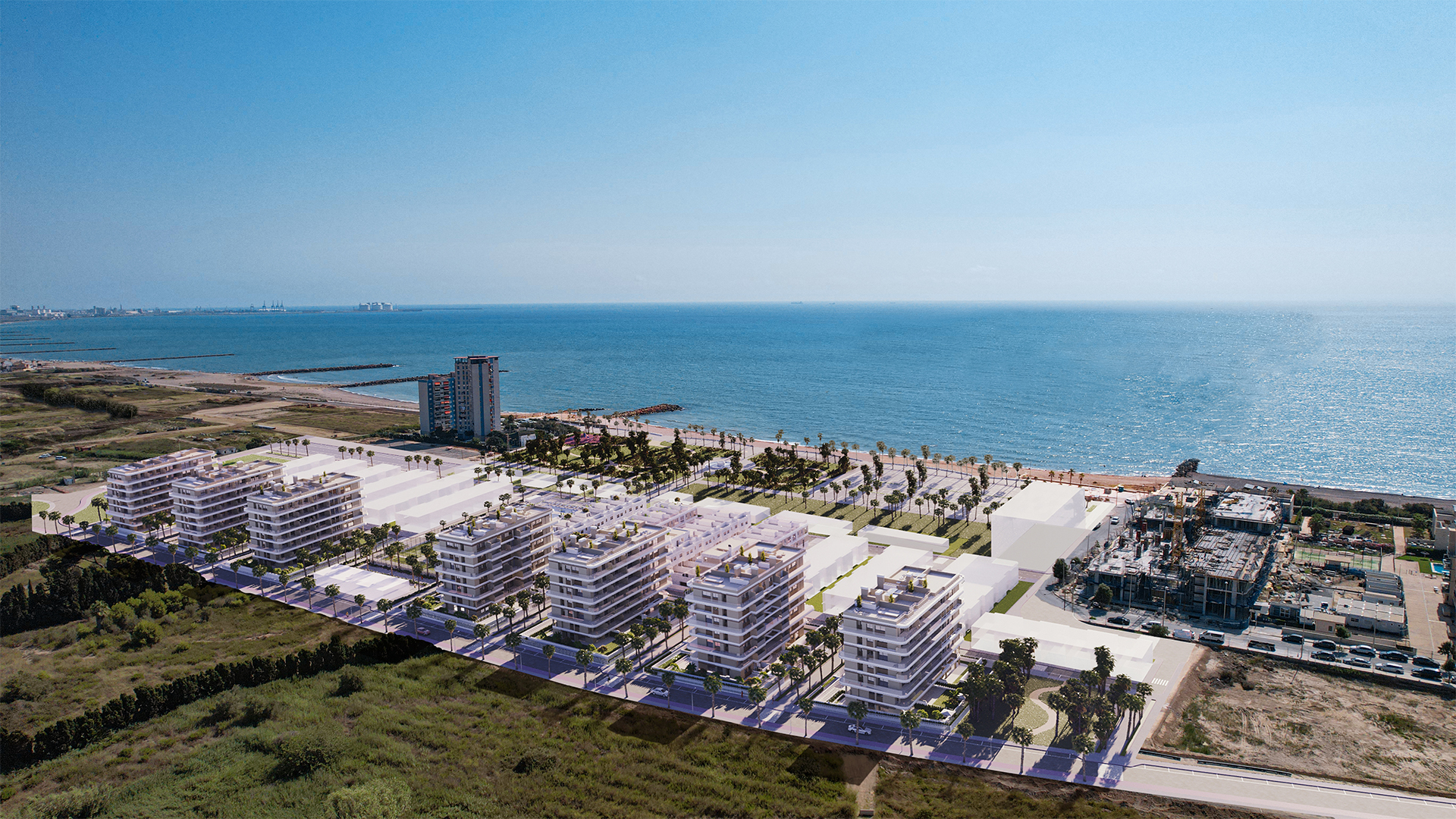
Valencia is Spain’s third-largest city, sitting where the Turia River meets the Mediterranean on the country’s southeastern coast, and it consistently ranks among the most livable and affordable major cities in Western Europe. For US buyers exploring the Spanish Mediterranean, understanding Valencia and the broader region is the essential first step before making any property or lifestyle decision.
Key Takeaways
| Point | Details |
|---|---|
| Location | Third-largest city in Spain, southeastern Mediterranean coast |
| Best time to visit | April-May and September-October for weather, value, and manageable crowds |
| Climate | Around 300 days of sunshine per year; highs range from 60°F in winter to 85°F in summer |
| Flight costs from US | Median around $678; peak fares around $1,008 in mid-December |
| Budget range | Solo 7-day trip averages $1,263; couple averages $2,268 |
| Property relevance | The Mediterranean coast stretching south and north of Valencia is a primary destination for international buyers |
Table of Contents
- What is Valencia, Spain, and why does it attract US attention?
- When is the best time to visit Valencia?
- How much does a trip to Valencia cost from the US?
- What are the essential landmarks and experiences in Valencia?
- How do you get around Valencia once you arrive?
- What is Las Fallas, and should you plan your trip around it?
- How does Valencia compare to other Spanish coastal regions for lifestyle buyers?
- Is buying property near Valencia right for you?
- Where to start your Spanish Mediterranean property search
What Is Valencia, Spain, and Why Does It Attract US Attention?
Valencia sits on Spain’s southeastern coast, where the Turia River historically met the Mediterranean Sea. It is Spain’s third-largest city and the capital of the Valencia region, a stretch of coastline known for its orange and lemon groves, rice paddies, and long stretches of sandy beach. The city itself blends a well-preserved medieval old town with genuinely futuristic architecture, and the surrounding region, often called the Costa Blanca to the south and parts of the Costa del Sol further along, has become one of Europe’s most sought-after destinations for international lifestyle buyers.
For Americans, Valencia and its surrounding coast represent something that is increasingly difficult to find: a major European city with genuine cultural depth, excellent food, a warm and sunny climate, and living costs that remain significantly lower than Madrid, Barcelona, or any equivalent city in France, Germany, or the UK. The city was named European Green Capital of 2024, reflecting a serious investment in sustainable urban infrastructure and green spaces, including the remarkable Turia Gardens, a former river bed converted into a linear park running through the heart of the city.
The wider appeal extends beyond the city limits. The Mediterranean coastline to the south, stretching through Alicante, Torrevieja, Benidorm, and eventually Malaga, forms one of the most active international property markets in Europe. US buyers who first visit Valencia often find themselves drawn south along this coast, where lifestyle and investment considerations become increasingly practical.
Expert tip: Valencia is a strong base for exploring the broader Costa Blanca property market. Many buyers spend a week in the city before driving south to view listings in Alicante, Torrevieja, and Benidorm, which gives them real-world context for the lifestyle they are buying into.
When Is the Best Time to Visit Valencia?
The best months to visit Valencia are April through May and September through October. During these windows, temperatures typically sit between 22 and 28 degrees Celsius (roughly 72 to 82 degrees Fahrenheit), crowds are manageable compared to peak summer, and accommodation prices are fair. The city enjoys around 300 days of sunshine per year, which means even outside these windows you are unlikely to encounter sustained bad weather, but the shoulder seasons genuinely offer the best overall experience.
August is the one month most locals and experienced travelers recommend avoiding if possible. The heat becomes intense, and many local businesses reduce hours or close entirely as Spanish families leave the city for cooler destinations. Beaches along the broader region become very crowded, and prices spike for accommodation near the coast.
The winter months, November through February, are mild and quiet. Temperatures remain comfortable for sightseeing, and the city empties of tourists entirely, which gives you a much more authentic view of daily life. For property buyers in particular, visiting in the off-season is often recommended. You see the city and coast as residents experience them, not as tourists do, and you are more likely to have unhurried conversations with local agents and neighbors.
March brings the exceptional Las Fallas festival (covered in detail below), which transforms the city but also compresses accommodation supply dramatically. If you plan to visit during Las Fallas, book months in advance.
How Much Does a Trip to Valencia Cost from the US?
Valencia is accessible and, relative to other major European destinations, genuinely affordable. Flights from the US to Valencia (airport code VLC) show a median fare of around $678, with prices rising to around $1,008 at peak periods in mid-December and dropping to roughly $619 in early February. These figures reflect averages across a wide range of US departure cities and airlines, so your actual cost will vary depending on where you depart from and how far in advance you book.
On the ground, hotel prices in Valencia range considerably. Budget options start around $51 per night, while mid-range and higher-end hotels average around $77 to $117 per night in lower seasons and up to $218 per night at peak times. Vacation rentals, which are often more practical for families or buyers wanting to experience the city as a resident would, typically cost $170 to $420 per night for a full home.
For a seven-day trip, aggregate budget estimates suggest a solo traveler will spend around $1,263 all-in, a couple around $2,268, and a family of four around $4,253. These figures include accommodation, food, local transport, and typical activities, but not flights.
For property buyers using a trip to Valencia as a research visit, the costs compare very favorably to equivalent research trips to Paris, Lisbon, or any major UK city, and the information you gather about climate, lifestyle, and neighborhood character is genuinely irreplaceable.
Expert tip: Book accommodation in the Ruzafa district or near the Mercado Central for a realistic sense of daily life in central Valencia. Staying near tourist hotspots gives a misleading impression of cost and pace.
What Are the Essential Landmarks and Experiences in Valencia?
Valencia rewards visitors who look beyond the obvious. The following are the genuinely significant landmarks and experiences that give the city its character.
City of Arts and Sciences – A futuristic complex designed by Santiago Calatrava, housing a concert hall, science museum, IMAX cinema, and oceanographic park. It is visually unlike anything else in Spain and demonstrates the city’s investment in cultural infrastructure.
Valencia Cathedral – A Gothic-Romanesque-Baroque blend in the old town, notable for housing what the church claims is the Holy Grail, displayed in a dedicated chapel. The mix of architectural styles reflects the city’s layered history.
Mercado Central – One of the largest covered fresh food markets in Europe, housed in a spectacular art nouveau building. Visiting this market gives you an immediate sense of local food culture and the quality of produce available in the region year-round.
La Lonja de la Seda – A UNESCO World Heritage site, this fifteenth-century silk exchange is considered one of the finest examples of late Gothic architecture in Europe. It speaks to Valencia’s historic role as a major Mediterranean trading city.
Turia Gardens – The former Turia riverbed, converted after a flood diversion project into a nine-kilometer linear park running through the city. It is used daily by residents for cycling, running, sport, and leisure, and is central to why Valencia won the European Green Capital designation for 2024.
How Do You Get Around Valencia Once You Arrive?
Valencia’s metro system is the most practical way to navigate the city, and it extends all the way to Valencia Airport (VLC), which is located approximately five miles west of the city center. For most visitors, combining metro with cycling and walking covers the city comprehensively. The Turia Gardens themselves function as a natural cycling corridor connecting many of the city’s major points.
Rental cars are generally not recommended for in-city use. Parking in central Valencia is limited and expensive, and the old town in particular has extensive pedestrian zones. If you are planning to drive south along the coast to visit towns like Alicante, Torrevieja, or Benidorm as part of a property research trip, picking up a rental car for one or two specific days makes more sense than keeping one for a full city stay.
For property buyers planning to combine a Valencia city visit with coastal site visits, the most efficient approach is typically to use public transport and walking for the city portion of the trip, then hire a car specifically for the coastal driving days. The AP-7 motorway runs south along the coast and connects Valencia to Alicante and beyond efficiently.
Expert tip: If you plan to view properties in Torrevieja or Benidorm during your trip, allow at least a full day for each area. Driving times from central Valencia to these towns are manageable, but combining city sightseeing with multiple property viewings in a single day is rarely productive.
What Is Las Fallas, and Should You Plan Your Trip Around It?
Las Fallas is Valencia’s signature festival and one of the most extraordinary public events in Europe. It runs from March 15 to 19 each year and has UNESCO recognition as an Intangible Cultural Heritage of Humanity. The festival centers on the creation of massive papier-mache and wood sculptures, called fallas, installed across the city’s neighborhoods over months of preparation. The climax of the festival is La Crema, when virtually all of these sculptures are burned simultaneously in a city-wide bonfire on the night of March 19.
The five days of the festival include continuous fireworks (the daily Mascleta, a competitive firecracker display at 2pm in the Plaza del Ayuntamiento, is genuinely deafening and spectacular), traditional music, medieval costumes, processions, and street food. Traditional Paella Valenciana, made with chicken, rabbit, snails, rice, and beans cooked in enormous pans over wood fires, is available at street stalls from around 10 euros during the festival.
The practical reality for travelers is that Las Fallas is wonderful but logistically demanding. Hotel prices can triple compared to normal periods, and accommodation books out months in advance across the city and surrounding towns. If your primary goal is property research, visiting during Las Fallas is probably not the most productive use of your time or budget, though seeing it once is genuinely worthwhile.
For first-time visitors with enough flexibility, a compromise approach is to visit in late September or October, which gives you excellent weather, affordable accommodation, and a city operating at a normal pace, then plan a separate, dedicated Las Fallas trip once you have a clearer sense of whether the region suits your long-term plans.
How Does Valencia Compare to Other Spanish Coastal Regions for Lifestyle Buyers?
Valencia and the coastline extending south toward Alicante and beyond are part of the broader Spanish Mediterranean, which also includes the Costa del Sol, Costa de Almeria, and Mallorca. Each area has a distinct character, and understanding the differences matters for anyone considering a property purchase.
| Region | Character | Climate | Typical Buyer Profile |
|---|---|---|---|
| Valencia city and coast | Urban culture, beaches, strong local identity | 300+ sunshine days, mild winters | Buyers wanting city life plus coastal access |
| Costa Blanca (Alicante south) | Established expat communities, affordable, diverse | Very similar to Valencia, hot summers | Retirement, second homes, investment |
| Costa del Sol (Malaga area) | Mature luxury market, strong infrastructure | Hot summers, mild winters | Luxury buyers, golf communities |
| Costa de Almeria | Less developed, quieter, natural landscapes | Hot and dry, very sunny | Buyers seeking value and privacy |
| Mallorca | Island lifestyle, strong rental market | Similar Mediterranean, slightly wetter winters | Luxury, sailing, summer rentals |
Valencia’s advantage for lifestyle buyers is the combination of genuine urban infrastructure (an international airport, a university city, excellent healthcare, good transport links) with proximity to long stretches of Mediterranean beach. The cost of living remains lower than comparable cities in France or Portugal’s Algarve, and the city’s international profile has grown considerably in recent years.
For Americans specifically, Valencia and the Costa Blanca tend to appeal to buyers who want more than a holiday home. The combination of lifestyle quality, climate, and relative affordability makes it a realistic candidate for a primary residence or a long-stay second home, not simply a summer rental asset.
Is Buying Property Near Valencia Right for You?
The decision to purchase property in the Valencia region or anywhere along the Spanish Mediterranean coast involves a genuine evaluation of lifestyle goals, budget, and the practical realities of owning property in a foreign country. This guide does not replace professional legal and financial advice, but a few core questions are worth working through honestly before you reach out to any agent.
How to assess whether Spanish Mediterranean property suits your goals:
- Clarify your primary use case. Are you buying primarily for personal use, as a rental investment, or as a future retirement base? Each use case has different implications for location, property type, and the legal structure of your purchase.
- Research the tax and legal framework for non-resident property buyers in Spain. Requirements and costs for US buyers differ from EU buyers, and professional advice from a Spanish property lawyer (gestor or abogado) is essential before signing anything.
- Visit the specific area you are considering, not just Valencia city. The character of Torrevieja, Benidorm, or a rural property inland is meaningfully different from the city, and you should experience the environment in the season you plan to use it most.
- Understand the full cost of ownership, including property taxes (IBI), community fees for apartments or urbanizations, non-resident income tax if you rent the property, and maintenance costs.
- Consider currency risk. As a US buyer paying in euros, exchange rate movements between the dollar and euro will affect both your purchase price and your ongoing costs.
- Engage a local agent who works specifically with international buyers and can explain the process from a non-Spanish buyer’s perspective, including NIE (foreigner identification number) registration, which is required before any property purchase in Spain.
Where to Start Your Spanish Mediterranean Property Search
Valencia and the broader Spanish Mediterranean coast represent a genuinely compelling destination for US buyers, whether your interest is lifestyle, investment, or long-term residency. The region combines a strong climate, accessible flight connections, affordable living costs relative to comparable European destinations, and a well-developed market for international buyers.
Rendera Living specializes in curated property listings across the Spanish Mediterranean coast, covering Costa Blanca, Costa del Sol, Costa de Almeria, and Mallorca, and works specifically with international buyers navigating the Spanish property market. If your interest in Valencia has evolved into a genuine curiosity about what ownership along this coast looks like in practice, browsing current listings is a practical next step.
You can explore available listings including apartments in established coastal towns and bungalows in well-connected communities, or get in touch to discuss your specific goals with someone who works exclusively in this market.
Sources
- https://championtraveler.com/price/cost-of-a-trip-to-valencia-es/
- https://www.budgetyourtrip.com/spain/valencia
- https://radicalstorage.com/travel/is-valencia-expensive/
- https://travel.usnews.com/Valencia_Spain/When_To_Visit/
- https://www.spendlifetraveling.com/visiting-valencia/
- https://curioussparrowtravel.com/ultimate-valencia-travel-guide-for-first-time-visitors/
- https://visitvalencia.org/valencia/travel-guides/culture-history/las-fallas-festival-the-complete-guide-to-valencias-biggest-party
